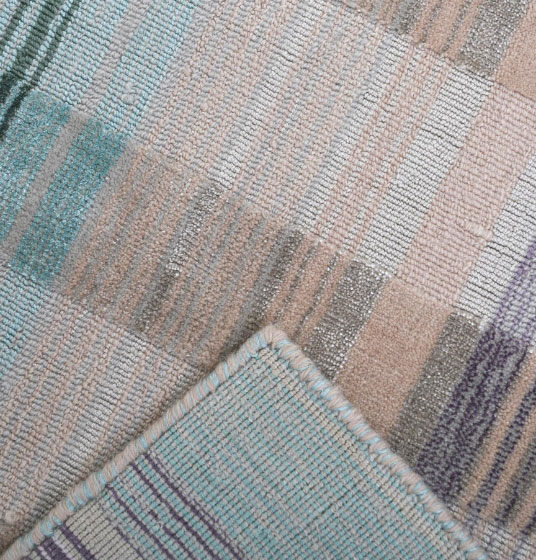
The weaver was considered untouchable in the India of the past. A definition that was misinterpreted, truly fitting only to their skill. A range of weaving techniques are used to create different types of rugs and the technique can determine the quality, design, price and even their durability.
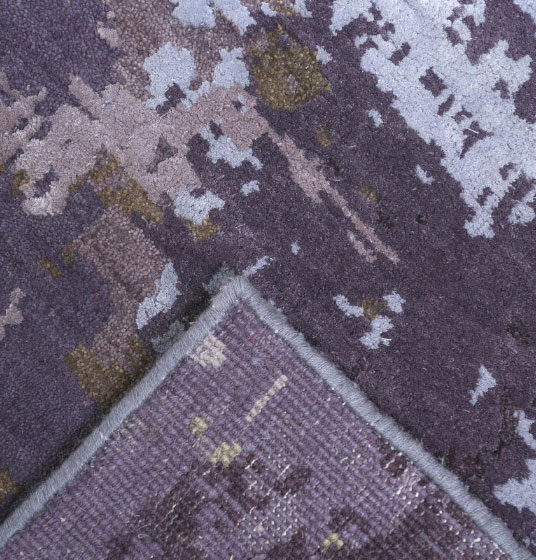
Hand-Knotted
On a loom set up with warps, an artisan ties individual knots on each warp thread, going line by line. Once a line is complete, it is locked in place with a thread of weft, before the next line of knotting begins.
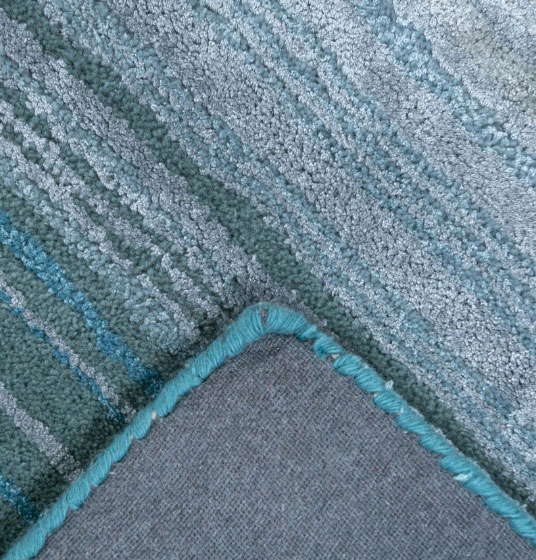
Hand-Tufted
Using a tufting gun, an artisan tufts yarn into a fabric that is outlined with a design. The outline guides the artisan to know which colors go where, to create the rug’s final design.
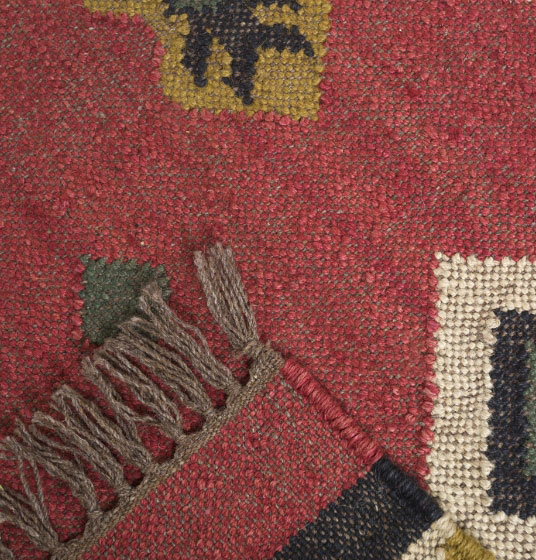
Flat-Weave
A flatweave is made entirely of interlocking warp and weft threads, the colors is based on the thread and the design is based on the different styles of interlocking.
Hand-Loom
This form of weaving is very similar to textile weaving on a handloom. The warp and weft is much thicker to create a thick fabric, the rug’s yarn is passed through in between the interlocking.
Find the right rug for you.
Compare all weaving techniques – 5’x8’ (152x244cm)